
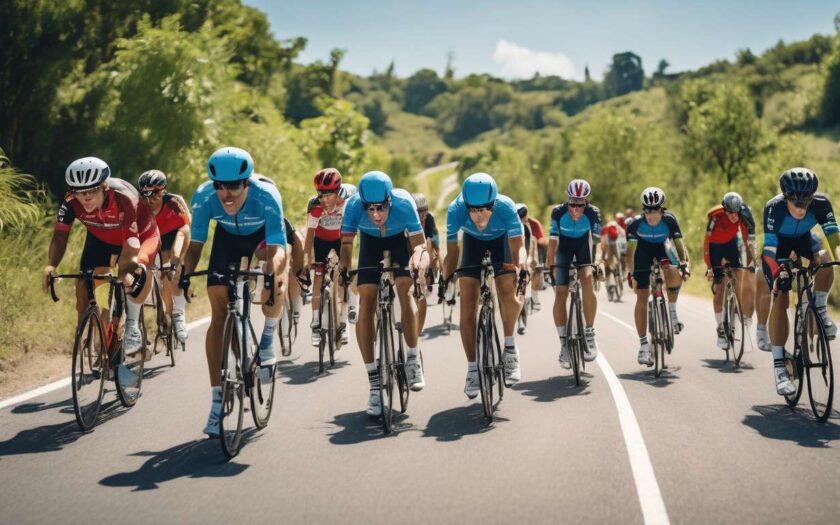
In the world of cycling, where split-second decisions can make or break a race, we find ourselves constantly seeking that competitive edge. As enthusiasts and analysts, we delve into the intricate web of data that each rider leaves on the track.
Our fascination lies not just in the thrill of the race, but in the numbers that tell a deeper story. Together, we explore the eight rider metrics that hold the key to informed betting choices. These metrics, ranging from power output to cadence consistency, provide a window into a rider’s potential performance.
By understanding these variables, we enhance our predictions and refine our strategies. As we navigate this data-driven landscape, we transform raw statistics into actionable insights, bridging the gap between the unpredictability of the sport and the calculated risks of betting.
Join us as we unravel the metrics that elevate our understanding and appreciation of cycling to new heights.
Power Output Analysis
When analyzing rider metrics for cycling bets, we focus on power output as a critical determinant of performance. By examining a rider’s power output, we gain insights into their ability to sustain high speeds and tackle challenging terrains. Power output is a cornerstone of understanding the nuances of cycling metrics.
In our analysis, we also consider VO2 Max, which measures the maximum amount of oxygen a rider can utilize during intense exercise. It’s an indispensable component because:
- It directly correlates with a cyclist’s endurance.
- Coupled with power output, it helps us predict how well a rider might perform in both short bursts and extended races.
Moreover, the recovery rate is another crucial factor. It tells us how quickly a rider can bounce back after intense efforts. Fast recovery is vital because:
- It means they’re ready to give their best, time and again.
- It is especially important in multi-stage events.
Together, these metrics shape our betting strategies and foster a sense of belonging among like-minded enthusiasts who appreciate the intricacies of cycling performance.
Heart Rate Variability
Heart Rate Variability (HRV) Insights
Heart rate variability (HRV) provides us with valuable insights into a rider’s physiological readiness and overall resilience during races. By analyzing HRV, we can gauge how effectively a rider manages stress and recovery, which directly impacts their performance.
Key Benefits of High HRV:
- High HRV often indicates a strong recovery rate.
- Suggests the rider is prepared to maintain optimal power output throughout an event.
Predictive Power of HRV:
We find HRV particularly useful in predicting a rider’s ability to:
- Handle intense efforts.
- Sustain high VO2 Max levels.
This knowledge can give us an edge when placing bets, as riders with better HRV tend to perform more consistently under pressure. It’s like being part of an informed community, sharing knowledge that elevates our understanding and connection to the sport.
Comprehensive Analysis for Betting:
By combining HRV data with other metrics, we craft a more comprehensive view of a rider’s potential. This allows us to make well-informed betting decisions that reflect our shared passion for cycling.
Cadence Consistency Insights
Cadence consistency offers crucial insights into a rider’s efficiency and endurance during a race. When we assess a rider’s cadence, we’re looking at how smoothly they maintain their pedal revolutions. This steadiness often reflects their power output and can suggest how well they manage energy across various terrains. For those of us who love the thrill of cycling, understanding these nuances helps us predict a rider’s potential performance.
Consistency in cadence also indicates a rider’s recovery rate. If a cyclist maintains a stable cadence, it suggests they can recover quickly after exerting effort, allowing them to sustain high intensity for longer periods. This endurance ties into their overall VO2 Max, as a rider with high oxygen uptake can better maintain consistent cadence under demanding conditions.
By focusing on cadence, we become part of a knowledgeable community that appreciates the subtleties of cycling, enhancing our betting strategies and fostering a deeper connection with the sport.
VO2 Max Assessment
When evaluating a cyclist’s potential, we often focus on their VO2 Max to gauge their aerobic capacity and endurance levels.
VO2 Max is a crucial metric that reflects how efficiently a cyclist’s body uses oxygen during intense efforts, directly influencing their power output. A higher VO2 Max means they can sustain higher power outputs over longer periods, making them formidable on challenging courses.
We know that a cyclist’s recovery rate is just as important. A strong recovery rate allows riders to maintain peak performance throughout a race, bouncing back quickly after intense efforts. This resilience mirrors our own determination in supporting them.
By understanding these metrics, we feel more connected to the sport and the athletes. We use this knowledge to:
- Make informed betting choices.
- Predict how well a rider will perform based on their VO2 Max and other key factors.
This understanding enhances our experience as enthusiasts and strengthens our connection to the riders we support.
Time Trial Prowess
Mastering Time Trials
Mastering the art of time trials requires a blend of key elements:
- Aerodynamic Efficiency
- Precise Pacing
- Mental Fortitude
These factors are essential to excel against the clock.
Evaluating Time Trial Prowess
As a community of cycling enthusiasts, evaluating a rider’s time trial prowess is crucial for making informed betting choices. Several metrics play a pivotal role:
-
Power Output
Power output is a key indicator of how effectively a rider can generate sustained energy during the race. A high power output often translates to better time trial performance, making it a vital factor in our analysis. -
VO2 Max
VO2 Max significantly influences a rider’s efficiency in utilizing oxygen, which is essential for maintaining speed and stamina during time trials. Greater VO2 Max values suggest a rider’s superior endurance capabilities, enhancing their chances of excelling in solo efforts. -
Recovery Rate
The importance of recovery rate cannot be overlooked. A rider who recovers quickly between intense efforts can maintain a high level of performance throughout the time trial, ensuring they remain competitive until the end.
By considering these metrics, we can better understand and predict a rider’s potential success in time trials.
Climbing Efficiency Metrics
To analyze climbing efficiency, we must focus on metrics that reveal a rider’s ability to maintain speed and power on steep inclines. As we dive into this fascinating aspect of cycling, let’s consider the key indicators that unite us as avid fans and enthusiasts: power output, VO2 Max, and recovery rate.
Power Output
- Power output measures the rider’s strength and stamina to conquer relentless climbs.
- High power output numbers indicate a cyclist’s ability to sustain the necessary energy to dominate the ascent.
VO2 Max
- VO2 Max is the maximum volume of oxygen a rider can utilize.
- A higher VO2 Max suggests a rider who can push their limits longer, a trait admired in the peloton.
Recovery Rate
- The recovery rate reveals how quickly a cyclist can regain strength after an intense effort.
In our shared community, these metrics empower us to make informed, strategic betting choices.
Sprinting Strength Evaluation
When evaluating sprinting strength, we focus on a rider’s explosive power and acceleration capabilities. These elements are crucial for those thrilling, heart-pounding finishes that unite us as cycling fans.
We examine power output, which provides insight into how much force a rider can generate during those critical moments. To truly appreciate a sprinter’s prowess, we must also consider their VO2 Max, which reveals their maximum oxygen uptake and efficiency during high-intensity efforts.
As we delve deeper, we recognize the importance of a rider’s ability to recover quickly between bursts of intense activity. While we won’t go into recovery rate specifics here, it’s vital to acknowledge its role in sustaining high power output.
By understanding these metrics, we, as a community, can make informed decisions when placing bets, celebrating the strategy and skill of our favorite riders. Together, we share in the excitement of the race, feeling connected through our collective passion for cycling.
Recovery Rate Monitoring
Understanding a Cyclist’s Performance: Recovery Rate
Monitoring how swiftly a cyclist recovers from exertion is crucial. Recovery rate isn’t just a number; it’s a window into a rider’s resilience and efficiency. When we look at power output, those who consistently maintain high levels post-intense efforts signal a quick recovery rate. This ability directly impacts their performance in stage races and long tours where endurance is tested.
VO2 Max
Let’s not forget VO2 Max, which measures the maximum oxygen a rider can utilize during intense activity.
- A higher VO2 Max often correlates with a quicker recovery rate.
- It allows cyclists to sustain peak performance longer.
We, as enthusiasts, know that this metric isn’t just for the pros; it’s a badge of honor for any dedicated cyclist.
Conclusion
By understanding these metrics, we deepen our connection to the sport and make more informed betting decisions. Together, we celebrate the data that brings us closer to the heart of cycling.
What are the psychological factors that can affect a cyclist’s performance and betting choices?
When it comes to the psychological factors influencing a cyclist’s performance and betting choices, various aspects must be considered.
Key Psychological Factors:
-
Confidence: A cyclist’s self-belief can greatly influence their performance. High confidence can lead to better decision-making and risk-taking during a race.
-
Focus: The ability to concentrate and maintain attention on the task at hand is crucial for peak performance.
-
Mental Resilience: Overcoming setbacks and maintaining composure under pressure are essential for success in competitive cycling.
These factors not only affect the outcome of the race but also influence betting choices.
Implications for Betting:
-
Understanding the Mental State: Analyzing a cyclist’s psychological condition can provide valuable insights for making informed bets and predictions.
-
Predicting Performance: Bettors can gain an edge by considering how mental factors might impact a cyclist’s performance on race day.
By acknowledging these psychological elements, bettors and enthusiasts can make more strategic decisions, potentially enhancing their chances of success.
How do weather conditions impact cycling race outcomes and betting strategies?
Weather conditions play a crucial role in cycling race outcomes and influence our betting strategies.
Key factors to consider:
-
Rain: Slippery roads can lead to accidents, requiring cyclists to exercise more caution and potentially slowing down the race pace.
-
Wind: Strong winds can create resistance or aid cyclists, depending on the direction, affecting their speed and energy expenditure.
-
Extreme heat: High temperatures can lead to dehydration and exhaustion, impacting cyclists’ endurance and performance.
By understanding these weather impacts, we can analyze race data more effectively and make informed betting decisions, thereby increasing our chances of successful bets.
What role does team strategy play in influencing individual rider performance and betting decisions?
Team Strategy and Individual Performance
Team strategy plays a significant role in influencing individual rider performance. Coordinated tactics within a team can either propel a rider to victory or hinder their chances.
By working together strategically, teams can:
- Create opportunities for their leaders to shine
- Disrupt the efforts of opponents
Betting Decisions
Recognizing these dynamics is crucial for making informed betting choices. Understanding the collaborative nature of cycling races helps bettors:
- Assess team strategies
- Evaluate individual performance potential
- Make predictions that account for team influence on race outcomes
Conclusion
In conclusion, when making cycling bets choices, keep in mind the key rider metrics that can give you valuable insights.
By analyzing:
- Power output
- Heart rate variability
- Cadence consistency
- VO2 max
- Time trial performance
- Climbing efficiency
- Sprinting strength
- Recovery rate
you can make more informed decisions.
Stay informed, track these metrics, and enhance your chances of success in the world of cycling betting.
Happy betting!